Keeping Up with the Kardashians · US
Kylie Cosmetics
Sold: Makeup
In 2019 Coty paid $600 million for 51% of the brand, about $1.2 billion for the whole company. Retail Dive ↗
We film a reality show about you and your business, post it every day, and build the pages that turn viewers into customers.
Free 60-minute call. No followers needed.
Call 84-GET-KNOWNWatch
Why a show, not another ad
People buy from people they understand. Watching you is how they get to know you.
The psychology
Three findings from research, and three parts of our method built on them, explain why a show sells when an ad does not.
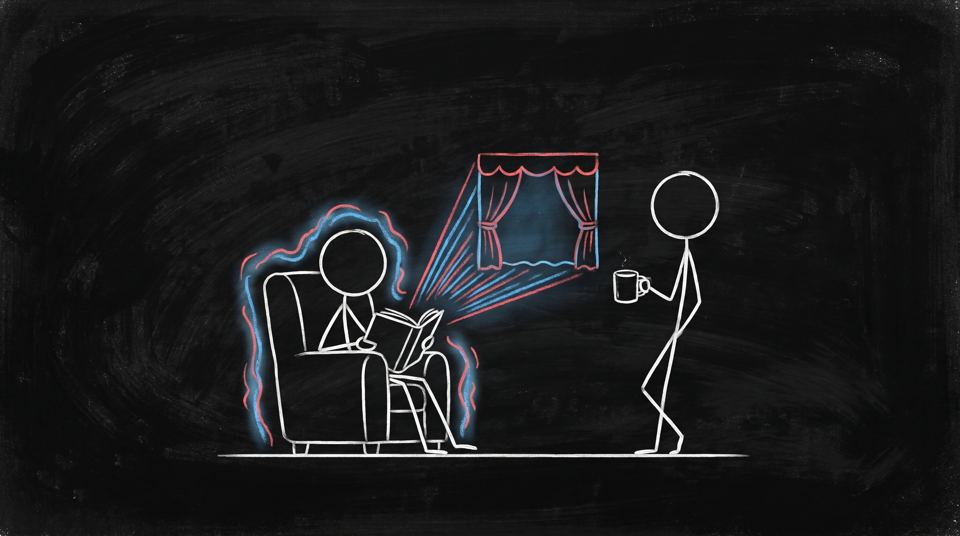
1 · The one-sided bond
Researchers call it a parasocial relationship. Someone who watches you week after week starts to feel like a friend, even though you have never met. That feeling of knowing you is what makes a stranger comfortable paying you.
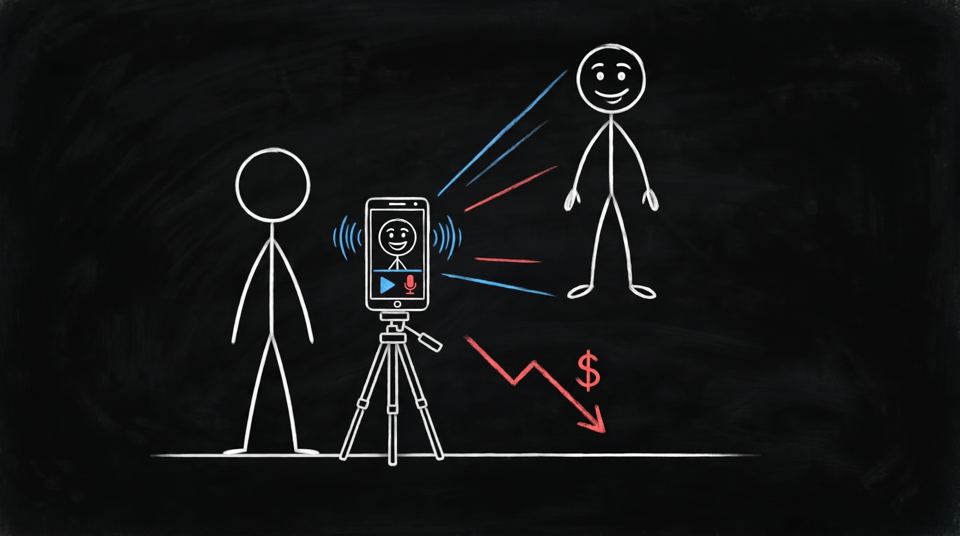
2 · Seen again and again
In experiments, people rated things more favorably the more often they had seen them, even with no other information. Daily clips put your face in front of the same people again and again.
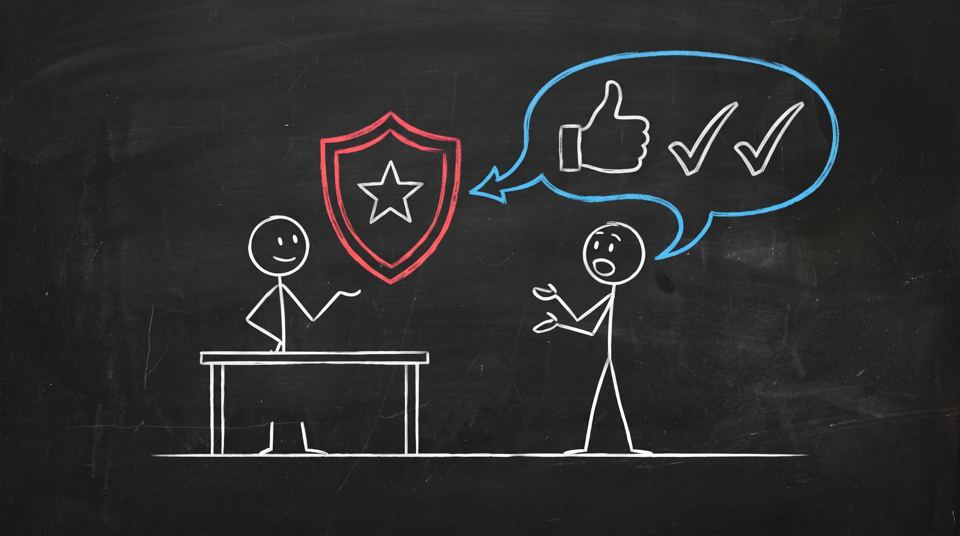
3 · Story, not pitch
When people get absorbed in a story, they argue with it less and their beliefs shift toward it. An ad gets judged as an ad. An episode gets followed.
Our method, from the RealityShow 101 course. One episode for each feeling, in this order.
What you started without.
They root for youYour talent, shown on camera, not claimed.
They respect youThe moment it almost did not work.
They believe youThe way of working that is only yours.
They understand youA result someone else confirms.
They trust you enough to payThe rule you stopped following and what was at risk. It hooks them.
A before and after the viewer can see. It holds them.
Someone else says it works, so you never have to. It sells.
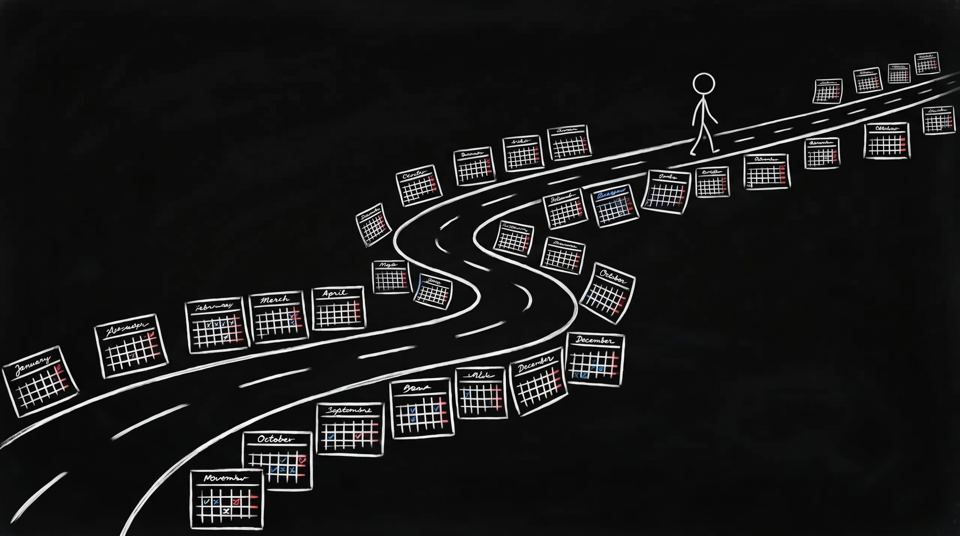
Every piece is built in five beats. The first four end on an open question, and only the fifth answers it. People who notice a gap in what they know want to close it, so they watch the next one.
Put together: they see you often, feel they know you, follow your story, and trust what you sell.
How it works
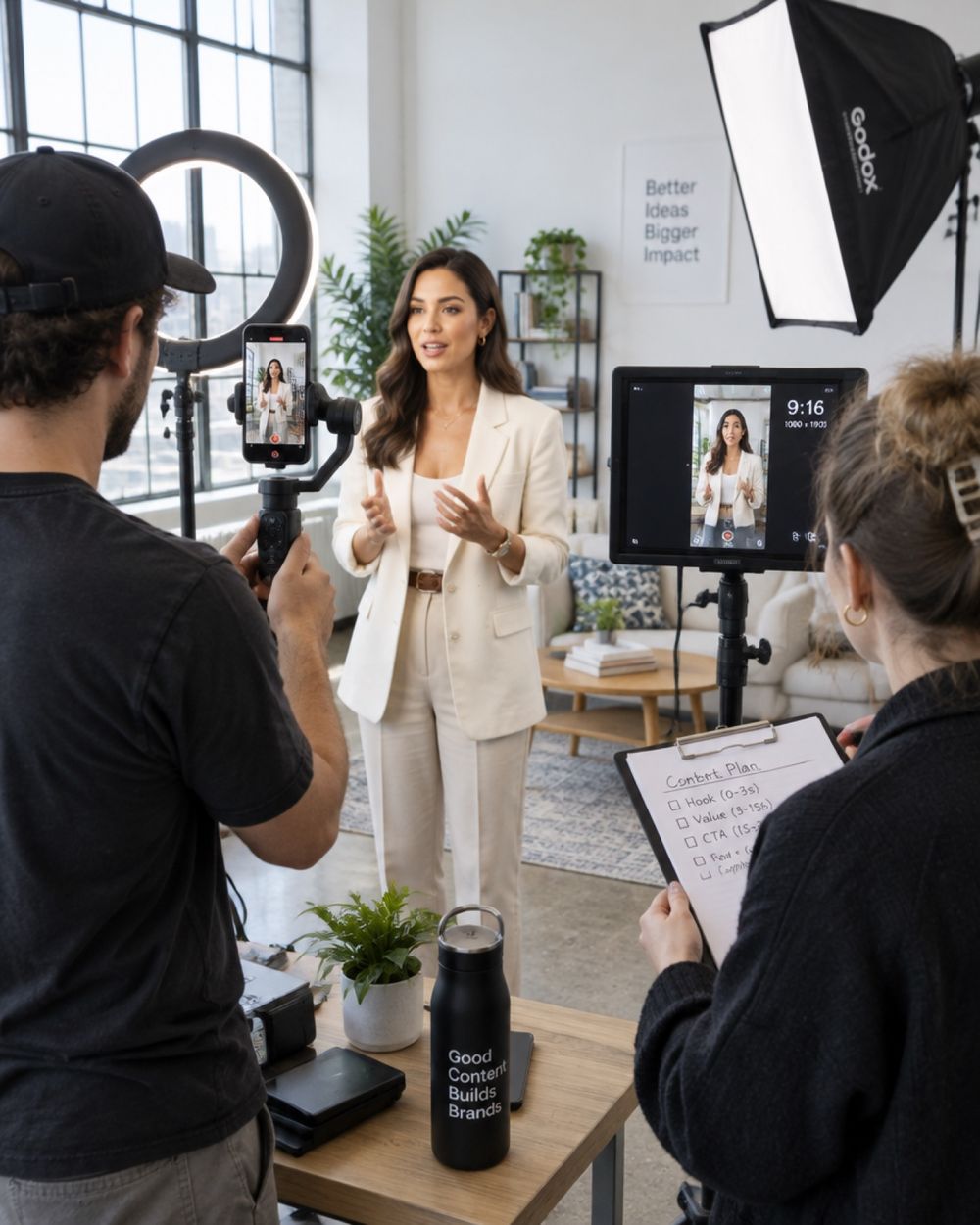
Communication · your show
The show and the platform. A reality show about your real work, cut into clips for Instagram, TikTok, YouTube and Facebook, with the full episodes on your own TV site. This is how people meet you.
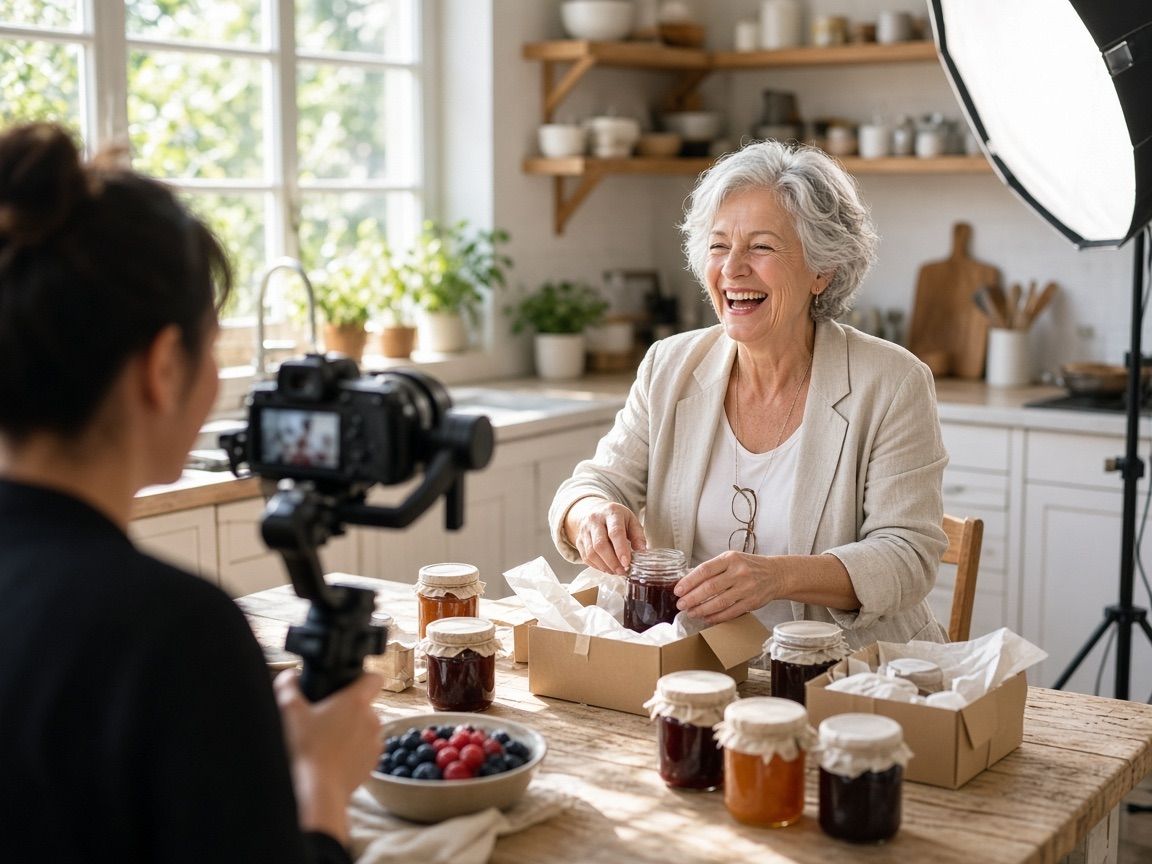
Reality · your story
Your personal site and your story written down: who you are, what you do and how you got here. This is where people learn about you and your work.
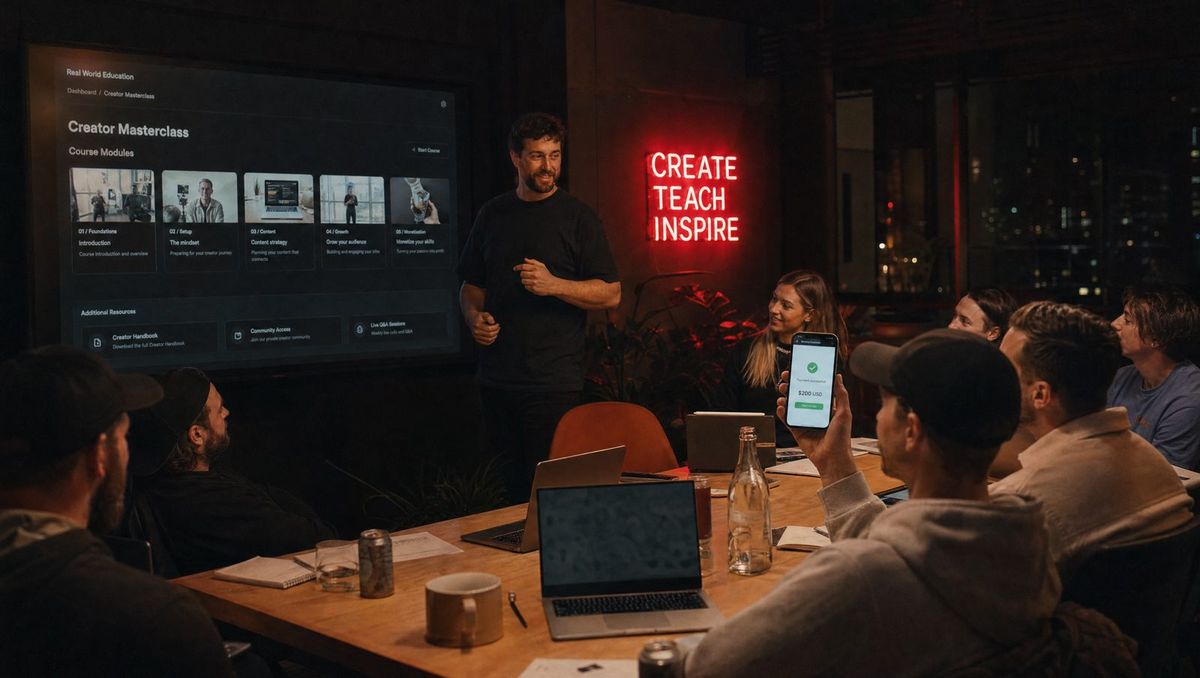
Affinity · getting closer
Your academy, class or shop: the paid way for people to get closer to you and learn what you know, with a checkout that works at two in the morning.
The engine
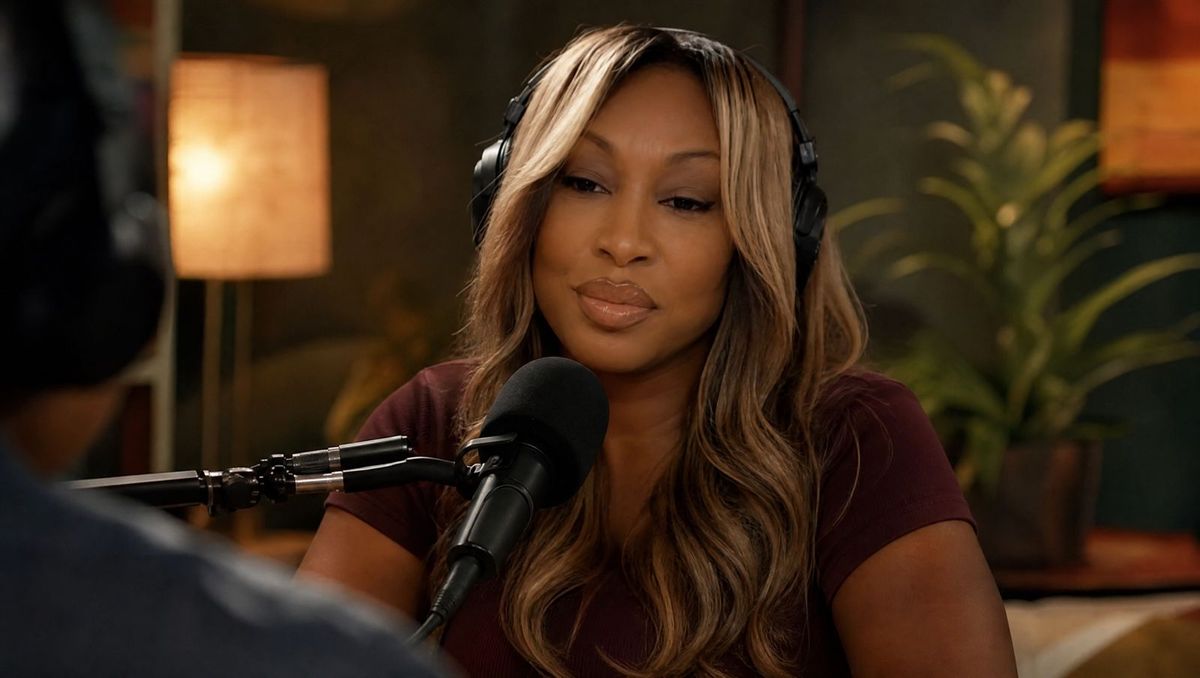
The yapping studio
Lights, a mic and your phone, set up for one or two people. You talk, we cut. It is where the daily clips come from, without a crew.
Every view lands somewhere. This is the order people move in:
Plus one short format viewers take part in. Mathew's is Scam Check: someone shows him a message, he gives his opinion, and viewers vote.
Where the money comes from
A show does not sell on its own. It moves people through five steps, and each step has a number you can watch.
People who found you through a clip, not through an ad you paid for.
Someone who has watched you work for weeks argues less about what you charge.
Viewers come back for the next episode, and for the next order.
An episode is easy to send. "Watch this, it's the place I told you about."
Once people watch you, other brands will pay to be in front of them.
A class, a kit or merch, sold to people who already like you.
The clips you shot become your ads, so you stop paying to make new ones.
Example numbers, not a prediction. The starting values below are made up for a local business so you can see how the math works. Put in your own.
Example numbers, not a prediction. Your results depend on your offer, your price, how often you post and what people think of the show.
The shoot days with our crew, plus about ten minutes a day talking to your phone.
The program has a price. We go over it on the call, along with payment plans.
Plan on a few months of steady posting before you judge it. A first-week sale is a bonus, not the plan.
A show cannot sell something nobody wants. That is why the first 14 days work on your offer before anything is filmed.
We do not promise sales or income.
The season
Together the five add up to trust. This is the structure we build every season on.
Episode 1
Where you started and what was against you.
Episode 2
The thing you do that other people can't.
Episode 3
A real problem in your business, on camera.

Episode 4
How you do it, step by step, so viewers learn from you.
Episode 5
A customer you helped, and what changed for them.
Your first shoot
01
A two-minute trailer of your show, from your real day.
02
Your home and car set up for daily clips.
03
An eight-minute pitch for your free offer.
04
One for each reason a customer reaches for you.
05
A 45-minute talk with 30 slides that teaches, then asks.
The order on the day: we start in a lit studio we book, with the webinar, then the ads, then the infomercial. Then we come to you to set up your studio and film the show.
How we work
Each phase is small enough to say yes to. You decide at the end of each one whether to keep going.
Free · one hour
You get: we hear your story and pitch your show back to you.
You do: tell us what you do and what you want to be known for.
$997 · 14 days
You get: your web addresses and email, your story written, your offers laid out, your website with a free offer and a paid offer with checkout, a one-week checkpoint call, your accounts, a gear check, your first 10 ads and your sizzle. Your dashboard tracks every step.
Day 14 is Blitz Day: a post every 2 hours for 24 hours, test ads live, everything tested.
You do: answer the story questions, approve the pieces, film the first clips on your phone. On day 12 you decide on the season. If it is a no, you keep everything we built.
Before the season
You get: a plan for the season in writing (what we shoot, where and with whom), then the first shoot: your sizzle, your home and car filming setup, an infomercial, ten ads and a webinar.
You do: approve the places and the people, bring your outfits, and show up.
$9,997 · 90 days
You get: season one of your show, five or more episodes, and clips every day. Three months, one for each side of the A·R·C triangle, each building one of your three websites: your TV site, your personal site and your business site. A lesson, a check and a checklist every week. Pay in full and a fourth month is free.
You do: three filming sessions, approvals within three days, and keep your accounts up.
After the season · 2 months
You get: we take the finished season and its numbers (views, audience, sales) and pitch it to companies that could partner with you: sponsors, networks and brands. Every offer comes back to you before anything is signed.
Honest part: we pitch. We cannot promise a company will say yes.
Ad spend is separate and only runs on a budget you approve in writing. We go through the full terms with you on the call.
It has worked for others
Four kinds of TV and video have built businesses. Tap the kind closest to yours. These are famous cases, picked because their numbers are public. They are not typical and they are not a promise. Every number links to where it came from.
Keeping Up with the Kardashians · US
Sold: Makeup
In 2019 Coty paid $600 million for 51% of the brand, about $1.2 billion for the whole company. Retail Dive ↗
Keeping Up with the Kardashians · US
Sold: Shapewear and clothing
Valued at $4 billion in a 2023 funding round. Bloomberg ↗
Duck Dynasty · US
Sold: Duck calls and hunting gear
At the show's height the family business did more than $10 million a year and sold over a million duck calls a year. Hook & Barrel ↗
Fixer Upper · US
Sold: Home goods, a shop and a destination
Their shop in Waco, Texas drew about 1.6 million visitors in 2017, by the city visitors bureau's estimate. Associated Press ↗
Cake Boss · US
Sold: Cakes and baked goods
The show took a family bakery in Hoboken to shops in Times Square, Dallas, Orlando, Philadelphia and Las Vegas. Fox Business ↗
The Real Housewives of New York · US
Sold: Low-calorie cocktails
Beam bought the spirits brand in 2011, when it already shipped more than 100,000 nine-liter cases a year. Business Wire ↗
Chrisley Knows Best · US
Sold: the family itself as a TV brand, plus spin-offs and the kids' own products
The show ran 10 seasons and 204 episodes on USA Network from 2014 to 2023. It led to a talk show, a cooking web series, an iHeartRadio podcast, the spin-off Growing Up Chrisley (2019) and The Chrisleys: Back to Reality (2025). Wikipedia ↗
Savannah Chrisley started her own cosmetics line, Sassy by Savannah, in 2020. Distractify ↗
Hell's Kitchen and his other shows · UK
Sold: Restaurants, some named after his shows
His international restaurant business reported £151.8 million in revenue for 2025. Restaurant Online ↗
Shark Tank · US
Sold: Cleaning sponges
About $100,000 in sales in the 18 months before the episode. About $18 million in the same stretch after it. ABC News, 2014 ↗
Shark Tank · US
Sold: Cleaning sponges
$220 million in sales in 2023, the founder told Fortune. Fortune, 2024 ↗
Shark Tank · US
Sold: Socks
$600,000 in sales when the episode aired in September 2014. More than $10 million in the time after it. Georgetown McDonough, founder interview ↗
Dragons' Den · UK
Sold: Barbecue sauce
A follow-up episode reported 40,000 to 50,000 bottles a week. The supermarket had planned on 50,000 in the first year. Wikipedia, citing the BBC follow-up ↗
Infomercial · US
Sold: Countertop grills
More than 100 million grills sold. Salton paid $137.5 million in cash and stock for the right to use his name. CNBC ↗
Infomercial · US
Sold: Acne treatment
About $1 billion a year in sales through mall kiosks and infomercials. Bloomberg Businessweek ↗
Infomercial · US
Sold: Blankets with sleeves
More than 20 million sold in less than two years. Allstar press release, PR Newswire ↗
Founder launch video · US
Sold: Razors by mail
The launch video brought in 12,000 orders the day it went up. Unilever later bought the company for $1 billion. Entrepreneur ↗
Funny product video · US
Sold: Toilet stools
30 million views in a week and revenue 600% higher than the company had projected. Entrepreneur ↗
Product demo videos · US
Sold: Mattresses
The company says its videos helped drive $75 million in online sales in 2016. Marketing Dive ↗
YouTube creator · US
Sold: Chocolate and snacks
About $250 million in sales and more than $20 million in profit in 2024, per documents sent to investors. Fortune, 2025 ↗
Social video community · UK
Sold: Gym clothes
Valued at over £1 billion in its first outside investment in 2020, with more than 12 million followers on social platforms. General Atlantic ↗
Content-led beauty brand · US
Sold: Makeup and skincare
Valued at $1.8 billion in a 2021 funding round. Business of Fashion ↗
Branded live event · Austria
Sold: Energy drinks
More than 8 million people watched one live jump on YouTube at the same moment, a record at the time. The Drum ↗
In a Nielsen survey of 30,000 people in 60 countries, 83% said they trust recommendations from people they know. Nielsen, 2015 ↗
A review of 117 studies with 47,647 people found that feeling you know someone you watch is linked to buying what they recommend. University of Jyväskylä ↗
Every one of these businesses got in front of a lot of people at once, with something they could buy that day.
Now in production

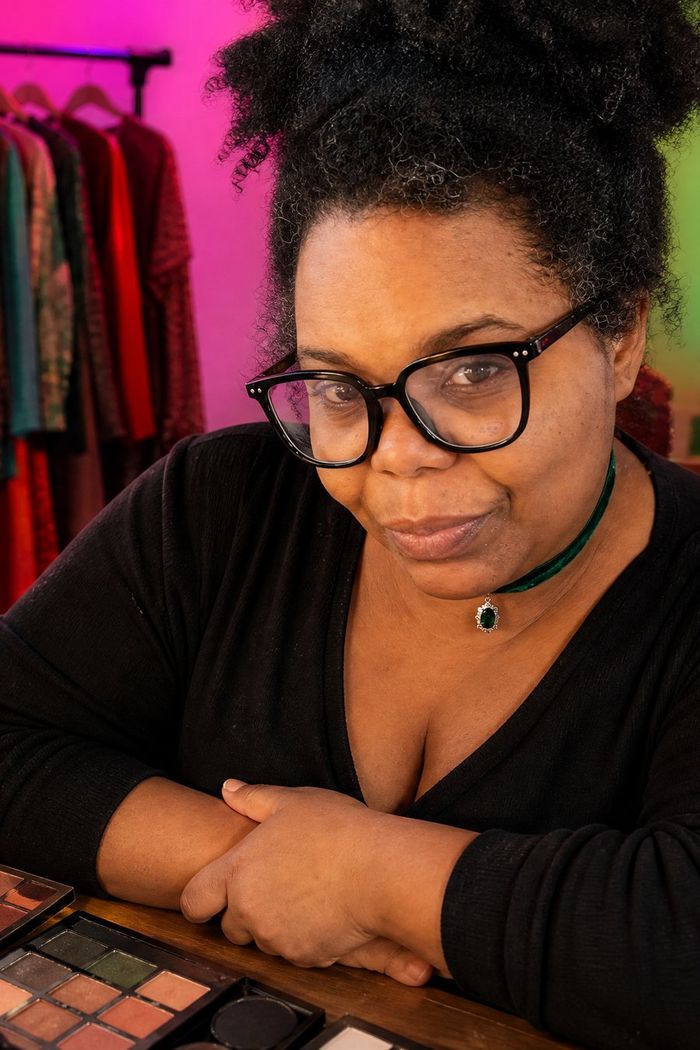
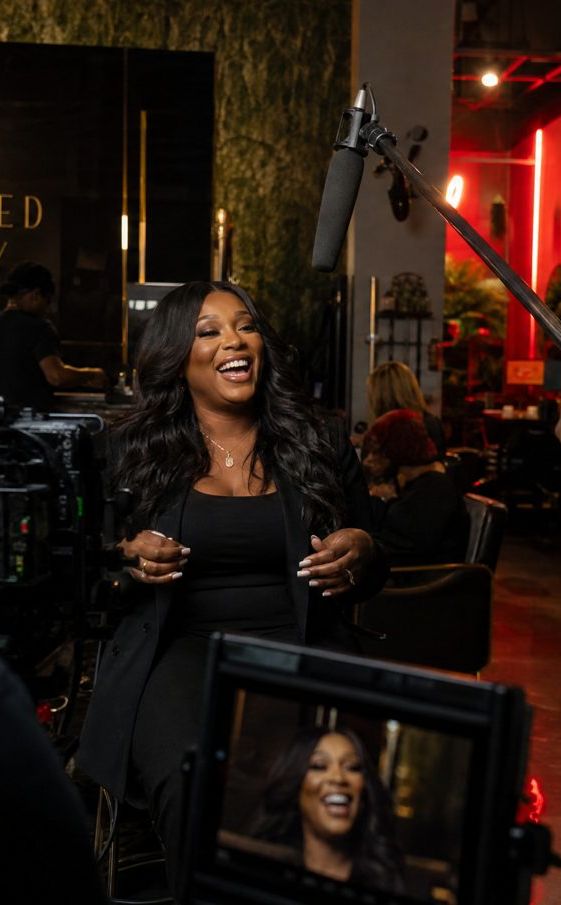
Aja · teaches women to start a business
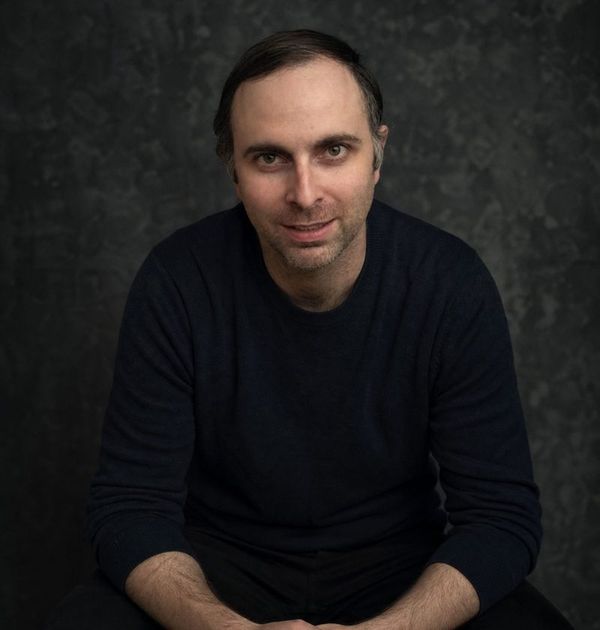
Mathew · financial safety expert
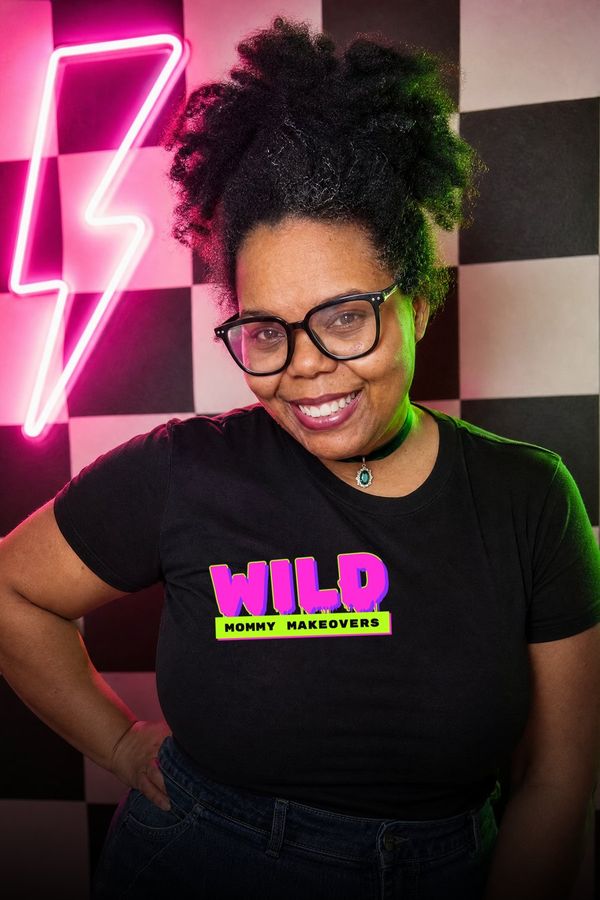
Kiki · makeovers for moms
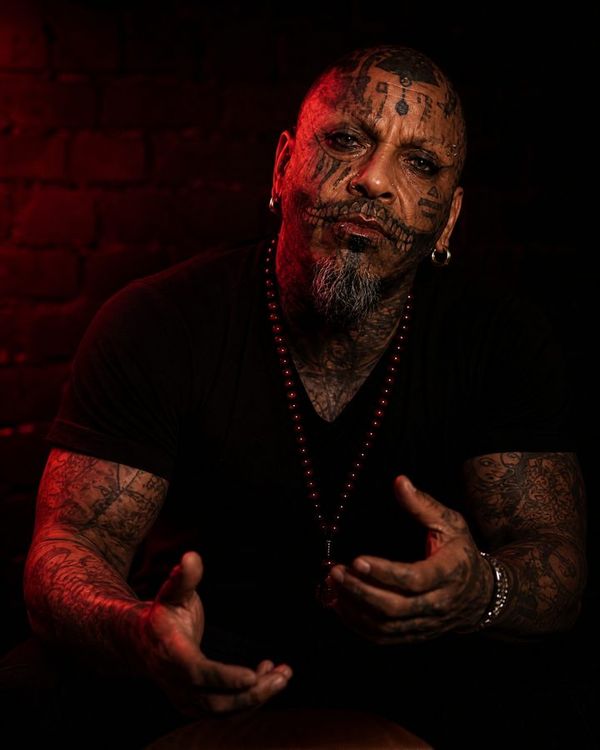
Spider · a tattoo shop in Las Vegas
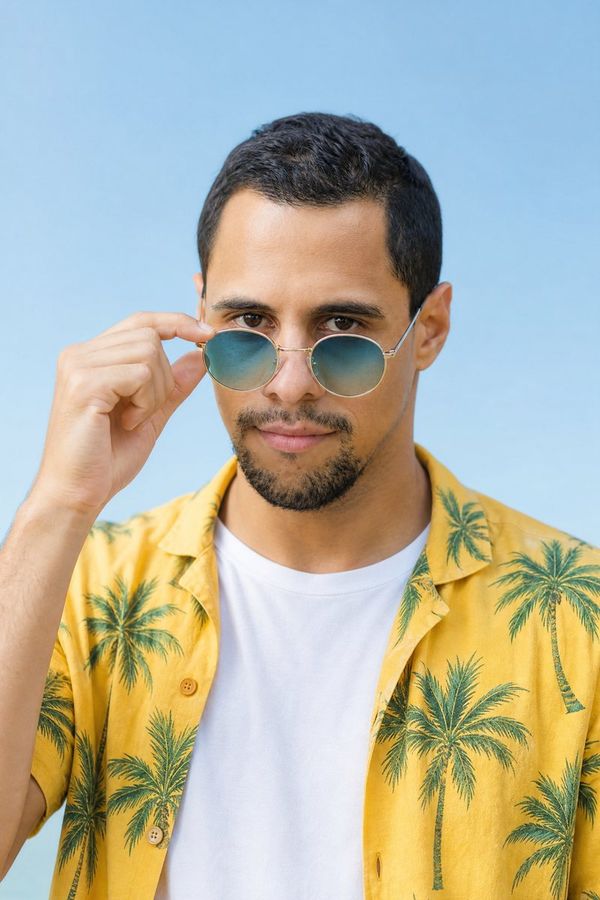
Gusti · entertainer and store owner
Questions
No. The show is how you get them. We start from wherever you are today.
No. We plan every scene with you, and short lessons before the shoot teach you how to talk to the camera.
It is your real work and your real life. We plan the scenes and the questions. What you say is yours.
Plan on full shoot days when we film, then short sessions in your own studio a few times a week. We edit and post.
Owners who are the face of the business: shops, studios, salons, services, teachers, coaches, estate sale companies. If customers buy from you because of you, it fits.
The call is free. On the call we show you your show idea and the price for your business.
Start here
One free call. We listen to your story and pitch your show back to you.
Or call us: 84-GET-KNOWN (844-385-6696)
A RealityShow.com productionPhoenix, Arizona
 WN